2026-09

Zen & Cosmos

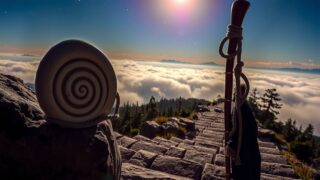
What Is Shugendō? Complete Guide | Yamabushi, En no Gyōja, and the Ōmine Ridge

What Shugendō actually is — Japan's mountain asceticism formed from indigenous mountain worship, esoteric Buddhism, Daoism and Shinto. The real En no Gyōja, the 1872 ban that erased the religion, what the yamabushi's costume means, the 170km Ōmine Okugake, the Dewa Sanzan rebirth pilgrimage, the conch and the rokkon shōjō chant. Honest about evidence.
Zen & Cosmos

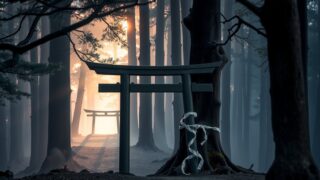
What Is Shinto? A Complete Guide | The Eight Million Kami, Sacred Groves, and How to Visit a Shrine

What Shinto actually is — a religion with no founder and no single scripture, the eight million kami, the sacred grove that surrounds every shrine, worship of rocks, trees and waterfalls, the etiquette from the torii gate to the hall, purification by water, and the rhythm of festivals. Honest about what the evidence supports and what it does not.
Zen & Cosmos

Zen Temples in Japan: A Complete Visitor’s Guide | Kyoto, Kamakura, Eiheiji, Zazen Sessions and How to Read a Rock Garden

How to visit Japan's Zen temples as more than sightseeing — the differences between Rinzai, Sōtō and Ōbaku, the temples of Kyoto and Kamakura, staying overnight at Eiheiji, how to actually read a dry landscape garden, and exactly what happens at your first public zazen session.
Zen & Cosmos

Esoteric Buddhism & Shingon: A Complete Introduction | Kūkai, Mandalas, Mantras and “Buddhahood in This Very Body”

What Japanese esoteric Buddhism actually is — how it differs from exoteric teaching, the life of Kūkai, Mahāvairocana, the two Womb and Diamond mandalas, the three mysteries, mantra, sokushin jōbutsu, and the Ajikan visualization. Honest lines between what is known and what is not. Begin tonight with three minutes.
Frequency & Music

Production Notes: “28 Images Generated” — Not One Byte of Them Was New

One day I ran a batch of image generation.After a while it came back: "28 images produced."More material. That is what I...
Zen & Cosmos

Zazen: A Complete Introduction | How to Sit, What to Do If You Can’t Cross Your Legs, and How It Differs from Meditation

What zazen actually is — its history, the difference between Soto and Rinzai, the five points of posture, chair zazen for anyone who cannot cross their legs, what to do with wandering thoughts, and what neuroscience can and cannot say. No claims of effect, only honest lines. Start tonight with five minutes.
Frequency & Music

Production Notes: Assigning Frequencies to the Four Gods — Deciding Sound from Direction, Season and Colour

The Four Gods — Azure Dragon, Vermillion Bird, White Tiger, Black Tortoise.Four guardian beasts, one for each direction....
Zen & Cosmos

Taisetsu and 963Hz | The Season the Sky Closes — Japan’s Solar Term of Great Snow and the Highest Frequency

Taisetsu, the twenty-first of Japan's 24 solar terms, is the season of "great snow" — when the sky finally closes. A cultural and scientific look at Taisetsu: the 72 micro-seasons, how the winter pressure pattern seals the sky, the surprising physiology of a bear's denning, how salmon find their birth river, and the rites of New Year preparation — laid gently over 963Hz, the highest Solfeggio tone. No claims of effect, only honest reflection.
Zen & Cosmos

Shousetsu and 285Hz | The Season the Rainbow Hides — Japan’s Solar Term of Small Snow and Quiet Repair

Shousetsu, the twentieth of Japan's 24 solar terms, is the season of "small snow" — snow that falls but does not yet settle. A cultural and scientific look at Shousetsu: the 72 micro-seasons, why rainbows vanish in winter, how trees release their leaves, and the harvest rite of Niinamesai — laid gently over 285Hz, the Solfeggio tone of repair. No claims of effect, only honest reflection.
Zen & Cosmos

Rittou and 639Hz | The Day Winter Is Named — Japan’s Solar Term of Fire and Gathering

Rittou, the nineteenth of Japan's 24 solar terms, is the day winter begins on the calendar. A cultural and scientific look at Rittou: the 72 micro-seasons, the first winter wind, radiative cooling, and the old fire-opening rites of Robiraki and Inoko — laid gently over 639Hz, the Solfeggio tone of connection. No claims of effect, only honest reflection.