Zen & Cosmos

Zen & Cosmos

Kanro and 174Hz | When the Dew Turns Cold — What Japan’s “Cold Dew” Solar Term Really Means

Kanro, one of Japan's 24 traditional solar terms, marks the morning the dew first feels cold. A cultural look at Kanro — the 72 micro-seasons, the Thirteenth Night moon, chrysanthemums and chestnuts — gently overlaid with 174Hz, the lowest tone in the Solfeggio set. No claims of effect, only honest reflection.
Zen & Cosmos

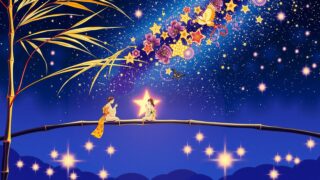
Traditional Tanabata and 639Hz | The Night the Stars Reunite, and the Frequency of Connection

"Traditional Tanabata" is the original star festival, celebrated on the lunar calendar. This article introduces the Orihime-Hikoboshi legend, explains how it differs from the modern-calendar Tanabata, and connects it — honestly and without overstatement — to the Solfeggio tone known as the "frequency of connection," 639Hz.
Zen & Cosmos

Shuubun and 528Hz | The Day Light and Dark Weigh the Same — What Japan’s Autumn Equinox Solar Term Really Means

Shuubun, one of Japan's 24 traditional solar terms, is the day when daylight and darkness fall into near-perfect balance. A cultural look at Shuubun — the 72 micro-seasons, the Higan observance, the red spider lilies — gently overlaid with 528Hz, the Solfeggio tone traditionally linked to love and harmony. No claims of effect, only honest reflection.

Zen & Cosmos

Hakuro and 741Hz | The Single Drop on the Morning Grass — What Japan’s “White Dew” Solar Term Really Means

Hakuro, one of Japan's 24 traditional solar terms, is when white dew first forms on the morning grass. A cultural look at Hakuro — the 72 micro-seasons, the Chrysanthemum Festival, the seven autumn flowers — gently overlaid with 741Hz, the Solfeggio tone traditionally linked to clearing and expression. No claims of effect, only honest reflection.

Zen & Cosmos

Shosho and 396Hz | Gently Releasing the Summer We’ve Been Holding Onto — What Japan’s “Heat Subsides” Solar Term Really Means

Shosho, one of Japan's 24 traditional solar terms, marks the moment summer heat "stops holding on." A cultural look at Shosho — the nijuhyakutoka storm-caution day, the Jizo Bon festival — gently overlaid with 396Hz, the Solfeggio tone traditionally linked to release. No claims of effect, only honest reflection.

Zen & Cosmos

Risshuu and 852Hz | Noticing the First Signs of Autumn at the Height of Summer — What Japan’s “Start of Autumn” Really Means

Why does Risshuu, the solar term marking the "start of autumn" in Japan's traditional calendar, fall during the hottest days of the year? A cultural and reflective look at Risshuu, gently overlaid with 852Hz — the Solfeggio tone traditionally linked to intuition and noticing. No claims of effect, only honest reflection.

Zen & Cosmos

The One-Year Roadmap to Holistic Living | A 12-Month Map Aligned With the Seasons and Moon

A complete roadmap for designing holistic living across a full year. Season-by-season self-care, how to use the moon's phases, the three rules that prevent burnout, and a first-90-days plan—gently guided by nature's rhythms.
Zen & Cosmos

Ryujin and 888Hz | The Water Deity, the Dragon Cloud, and Why 888 Is Called “Abundant”

Ryujin is Japan's ancient dragon deity of water and rain. This article explores the cultural roots of Ryujin worship and the honest origin story behind 888Hz being called the "abundance frequency" — without overstating what either can promise.
Zen & Cosmos

Toro Nagashi and 396Hz: Letting Go on an Obon River, and the Frequency Said to Release Fear

Companion article for the YouTube video "Toro Nagashi (Lantern Floating) 396Hz"Toro Nagashi and 396Hz: Letting Go on an ...
Zen & Cosmos

Ama no Iwato Opens: 852Hz and the Power of a Story Where a Closed Door Opens

Companion article for the YouTube video "Ama no Iwato (The Cave Door) 852Hz"Ama no Iwato Opens: 852Hz and the Power of a...