What comes to mind when you hear “Reiki“?
- Suspicious cult?
- A trendy celebrity treatment?
- Good-luck charm with no substance?
Actually,
Reiki was born in Japan.
In 1922, Mikao Usui established it on Mount Kurama in Kyoto — a 100+ year-old healing tradition.
And astonishingly,
today 800+ US hospitals including Johns Hopkins and Mayo Clinic use it as complementary therapy,
while NIH (US National Institutes of Health) funds research.
Yet in Japan, the country of its origin,
it was “reverse-imported” — accurate information remains surprisingly scarce.
This article — avoiding both excessive mysticism and cynical dismissal — reveals Reiki’s true nature from 3 angles: history, science, practice.
Including exactly why a century-old Japanese practice needed to travel abroad before Japan itself took it seriously.
💎 Key Takeaway
Reiki isn’t “miracle” but a combination of “touch, breath, and intention.” Whether effects surpass placebo is debated, but the fact that major world hospitals adopt it as complementary therapy carries weight.
30-Second Summary
- Reiki = established 1922 by Mikao Usui in Japan
- “Rei-ki” means “spiritual energy” — universal life force
- Developed overseas, reverse-imported to Japan
- Adopted in 800+ US hospitals as complementary therapy
- Research shows mixed placebo-comparison results
- Three levels of training (Reiki 1, 2, Master)
- Sensations of heat/vibration from hands are real (scientific explanation debated)
- Near-zero side effects; relaxation effects certain
1. Reiki History
1-1. Founder Mikao Usui (1865-1926)
- Born Gifu Prefecture, Japan
- Buddhist practitioner
- Sought “power to heal“
- 1922: 21-day fasting meditation retreat on Mount Kurama led to awakening
- Established “Usui Reiki Therapy Society” in Tokyo
1-2. Meaning of “Reiki”
Rei (霊): spiritual, mysterious
Ki (気): energy, life force
= “fundamental energy of the universe“
Eastern medicine’s qi, yoga’s prana, Chinese qigong — similar concepts.
1-3. Spread Overseas
- Chujiro Hayashi (Usui’s student) systematized it
- Hawayo Takata (Japanese-American woman) spread it in Hawaii (1937+)
- Spread worldwide centered in the US
1-4. “Reverse Import” History
- Declined in Japan post-WWII
- Explosive spread in US/Europe (1980-90s)
- 1990s+: reverse-imported to Japan
1-5. Today
- 5+ million practitioners worldwide
- 800+ US hospitals offer it
- NIH researches it
- Japan re-evaluating as integrative medicine
2. What Does Reiki Do
2-1. Basic Procedure
Surprisingly simple:
- Recipient lies on chair or table
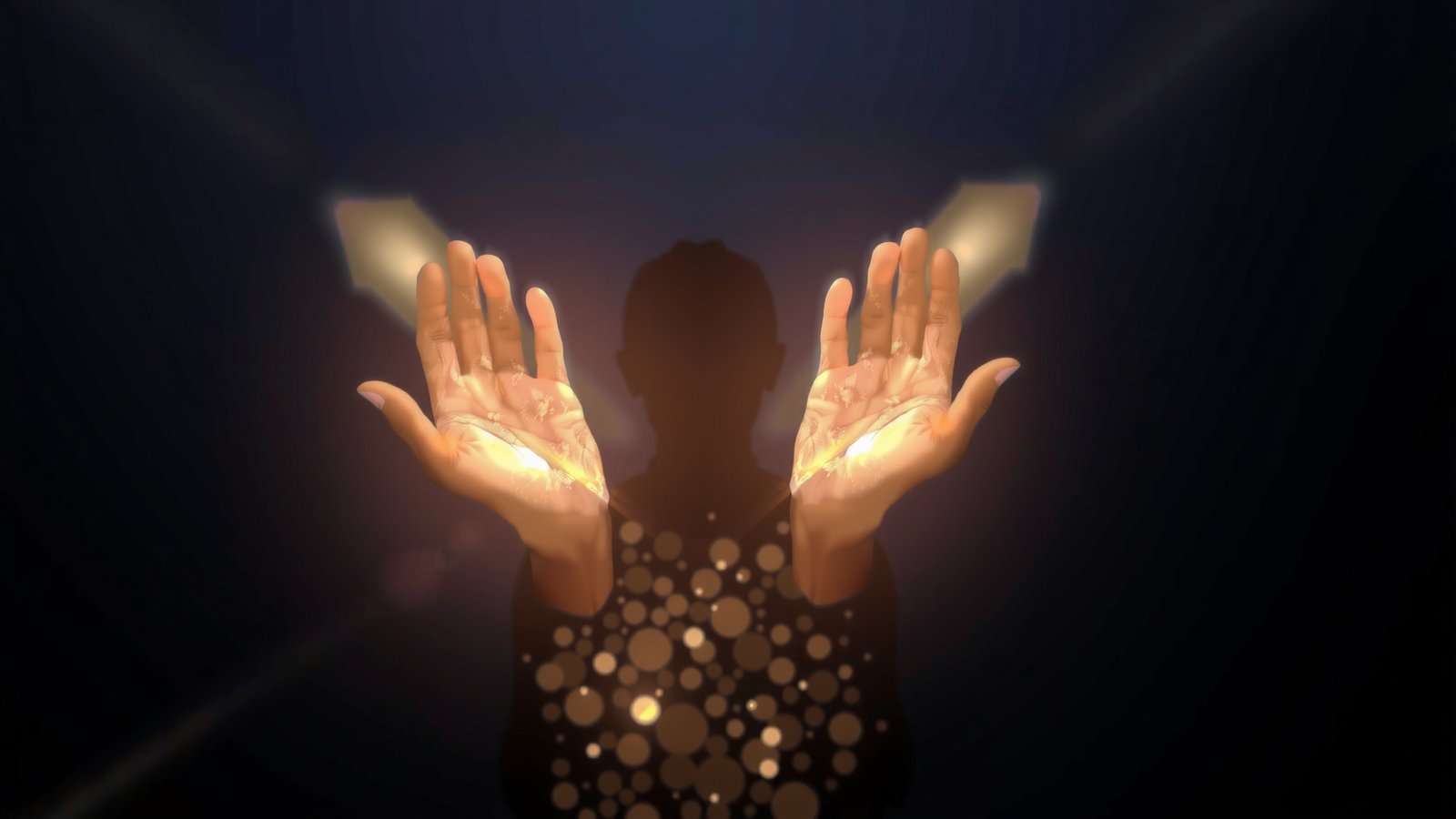
- Practitioner places hands on body (or near)
- Hold position 20-60 minutes, on specific spots (e.g., chakras)
- Deep relaxation throughout
2-2. Touch or No Touch?
- Sometimes light touch
- Sometimes hands few centimeters above
- Done over clothing
2-3. Sensations During Session
Common recipient reports:
- Heat transmitted from hands
- Tingling, vibration
- Deep relaxation
- Spontaneous tears
- Half-awake half-dream state
- Distorted time perception
2-4. After Session
- Deep peace
- Sleepiness
- Mind clear
- Some feel changes over days
3. Does “Energy” Exist? | Scientific View
3-1. Physics: Unconfirmed
“Qi” “prana” “reiki“:
- Attempts at electromagnetic measurement
- Some propose quantum entanglement link
- But unconfirmed in mainstream science
3-2. Physiologically Confirmed Effects
During Reiki sessions:
- Recipient’s HRV (heart rate variability) improves
- Cortisol drops
- Parasympathetic nervous system activates
These are measurable facts.
3-3. Physiology of “Touch”
Placing human hand on body alone:
- Oxytocin release
- Touch care effects (e.g., premature infant growth)
- Neural reflex from skin stimulation
→ Regardless of “energy”, “touch” has confirmed effects.
3-4. Placebo Relationship
In research:
- Sham Reiki (hands only) vs real Reiki: some studies show difference, others don’t
- For pain reduction, anxiety relief: real Reiki sometimes superior
- Conclusion still pending
4. Medical Adoption
4-1. Major US Hospitals Offering Reiki
- Johns Hopkins Hospital
- Mayo Clinic
- Massachusetts General Hospital
- Cleveland Clinic
- Yale University Hospital
4-2. Applications
- Pre/post-surgical anxiety and pain
- Cancer treatment side effects
- Palliative care (terminal patient QOL)
- PTSD support
- Chronic pain management
4-3. Why Adopted
- Near-zero side effects
- No drug interactions
- Low cost
- High patient satisfaction
- Nurses can learn it
Not as “miracle worker” but as tool to “improve patient experience“.
4-4. NIH (US National Institutes of Health) Position
- “Promising but lacks conclusive evidence“
- More research needed
- “Cannot replace standard treatment for serious illness“
= Honest scientific stance.
5. 3 Levels of Reiki
5-1. Reiki 1 (First Degree)
- 2-day seminar
- Attunement received
- Self-Reiki mastery
- Basic treatment of others
Cost: $200-500
5-2. Reiki 2 (Second Degree)
- 2-day seminar
- Symbols (sacred marks) transmitted
- Distance healing taught
- Stronger treatment
Cost: $400-1,000
5-3. Reiki Master (Teacher)
- 6 months to several years training
- Authority to attune others
- Activate as instructor
Cost: $1,500-10,000+ (varies by school)
5-4. School Differences
- Usui style (traditional): Japanese origin
- Western style: US/Europe developed
- Karuna, Holy Fire: derived forms
→ All valid, but traditional school preferred for authenticity.
6. Self-Reiki | Steps Anyone Can Try
6-1. Need “Attunement”?
- Traditionally yes (only usable after transmission)
- Practically: simply placing hands and relaxing has effects
- Different from strict Reiki, but valid as touch care
6-2. Basic Steps (Anyone, Today)
Step 1: Set Environment
– Quiet room
– Warm temperature
– Comfortable clothes
Step 2: Deepen Breath
– 3 cycles of 4-7-8 breathing
– Calm mind
Step 3: Set Intention
– Mentally say: “Now I heal myself“
Step 4: Warm Hands
– Rub hands together to warm
– “Charging” image
Step 5: Apply Hands (recommended positions)
| Order | Location | Duration | Effect |
|---|---|---|---|
| 1 | Crown | 3 min | Calm thoughts |
| 2 | Eyes | 3 min | Visual fatigue |
| 3 | Throat | 3 min | Expression |
| 4 | Heart | 5 min | Emotion/love |
| 5 | Solar plexus | 3 min | Digestion/will |
| 6 | Lower belly | 3 min | Energy/reproduction |
| 7 | Sacrum | 3 min | Grounding |
Total: ~25 minutes
Step 6: End
– Remove hands
– Few minutes of stillness
– Hydrate
6-3. Daily Habit Tips
- Before sleep is easy to habituate
- 5 minutes OK (consistency over duration)
- 3 weeks of daily practice = noticeable change
7. Giving Reiki to Others
7-1. What You Need
- Quiet space
- Treatment table or chair
- Blanket for recipient
- Tissues
- Quiet BGM (528Hz is standard)
7-2. Basic Posture
- Position not blocking recipient’s eyeline
- Maintain your own posture
- Hand placement following gravity
7-3. Ethics Code
- Get recipient’s consent
- Don’t create excessive expectations
- Don’t recommend abandoning medical care
- Fair pricing (or free)
- Personal info confidentiality
8. Preparing to Receive Reiki
8-1. Day Of
- Eat lightly beforehand
- Avoid alcohol
- Loose clothing
- Remove accessories
8-2. During Session
- Receptive stance
- Falling asleep OK
- Don’t judge feelings
- Tears are natural
8-3. After Session
- Drink water
- Avoid strenuous activity
- Watch body for days
- Journaling deepens noticing
9. Combining Reiki With Solfeggio Frequencies
Solfeggio frequencies make ideal Reiki BGM:
| Purpose | Recommended Frequency |
|---|---|
| Whole-body relaxation | 528 Hz |
| Emotional release | 396 Hz |
| Relationship healing | 639 Hz |
| Intuitive awakening | 852 Hz |
| Full chakra balancing | 174-963 Hz sequence |
Keep volume low so it doesn’t disturb the Reiki “energy”.
10. Honest Answers to Reiki Critiques
10-1. “Energy doesn’t exist”
Answer: Scientifically unconfirmed. But “touch effect” and “relaxation effect” are real.
Regardless of “energy,” people get healed is undeniable.
10-2. “It’s only placebo”
Answer: Even so, it has medical value. With placebo, pain really decreases.
Ethical issue: convincing someone “it works” is wrong. “Try it, continue if it suits” is honest.
10-3. “It’s a money grab”
Answer: Partly true. Master courses over $5,000 are clearly excessive.
Traditional Usui style is relatively reasonable. School selection matters.
10-4. “Not a medical replacement”
Answer: Completely agreed. Serious illness needs medical priority. Reiki is complement.
11. A Hypothetical Example: Reiki in a Clinical Setting
A Possible Motivation
- Wanting to help ease end-of-life cancer patients’ anxiety
- Looking for non-pharmaceutical approaches to use alongside standard care
A Possible Path
- Taking an introductory Reiki course
- Offering sessions to patients only with their consent, alongside standard medical care
A Possible Outcome (Illustrative, Not a Documented Case)
- Patients describing a sense of calm during sessions
- Some describing improved sleep
- Some describing easier pain management alongside medical treatment
- The practitioner describing less of her own burnout from offering this kind of care
Takeaway
This is a generalized illustration, not a documented case — actual experiences vary, and no controlled data is implied.
Reiki is not framed here as producing “miracles,” but as a way some caregivers describe supporting comfort and quality of life alongside standard medical care, while also offering a form of self-care for the practitioner.
12. FAQ
Q1. Is Reiki a religion?
A. No. Usui was Buddhist, but Reiki itself has no doctrine. People of any faith can practice.
Q2. How quickly do effects appear?
A. Immediate relaxation. Many feel deep changes after 3-6 sessions.
Q3. How many sessions?
A. Weekly × 4-6 weeks standard. Chronic conditions: monthly maintenance.
Q4. Safe for children?
A. Very safe. Sometimes children respond more deeply due to sensitivity.
Q5. Can I do Reiki on pets?
A. Yes. Animal Reiki is a tradition. Just gentle touch works.
Q6. Pregnant — safe?
A. Yes. Maternity Reiki specialists exist.
Q7. Can I learn online?
A. Short courses exist, but in-person attunement is traditional.
Q8. Treatment cost?
A. $50-150 (60 min). Varies by location/practitioner.
Q9. Side effects?
A. Almost none. Temporary healing response (fatigue, etc.) possible but disappears in days.
Q10. Diseases Reiki “cures”?
A. Don’t trust practitioners who say “cures“. Symptom relief, QOL improvement are realistic scope.
13. Conclusion ── A Gift From a Japanese Man 100 Years Ago
Reiki was born
in the mountains of Kyoto, 100 years ago.
A man named Mikao Usui,
asking
“What is the power to heal a person?“
after a 21-day fasting meditation,
found one answer.
That answer,
now,
at hospitals worldwide,
holds the hand of terminal cancer patients,
comforts PTSD veterans,
supports postpartum mothers.
Even if science can’t measure “ki“,
a million people’s experience
suggests
something is happening.
Dismissing it as “imagination“
is easy.
Deifying it as “miracle“
is also easy.
But
the honest practice in between —
isn’t this what Mikao Usui found
on Mount Kurama 100 years ago?
Tomorrow,
place your hands on your own chest.
3 minutes is enough.
Without expectation,
just
feel the warmth of your hands.
That is
the first step toward 100 years of tradition.
References
- Yamaguchi, T. (2014). Modern Reiki Method for Healing. Tama Publishing.
- Stein, D. (2006). Essential Reiki Teaching Manual. Crossing Press.
- Joyce, J. & Herbison, G. P. (2015). “Reiki for depression and anxiety.” Cochrane Database of Systematic Reviews.
- Baldwin, A. L. et al. (2017). “Reiki on Health: a 10-Year Update.” Holistic Nursing Practice.
- NIH National Center for Complementary and Integrative Health. (2023). “Reiki: What You Need To Know.”
MuZenCosmos — Where stillness meets the cosmos | Hands of a Japanese man 100 years ago
This article does not guarantee any medical or health benefit and is not a substitute for professional medical care. If you have any health concerns, please consult a physician or other qualified professional.
📚 Related Articles
- Lavender Essential Oil Complete Guide | History, Science, and Practical Use
- Crystal Healing Complete Guide: The Science and Mystery of Power Stones