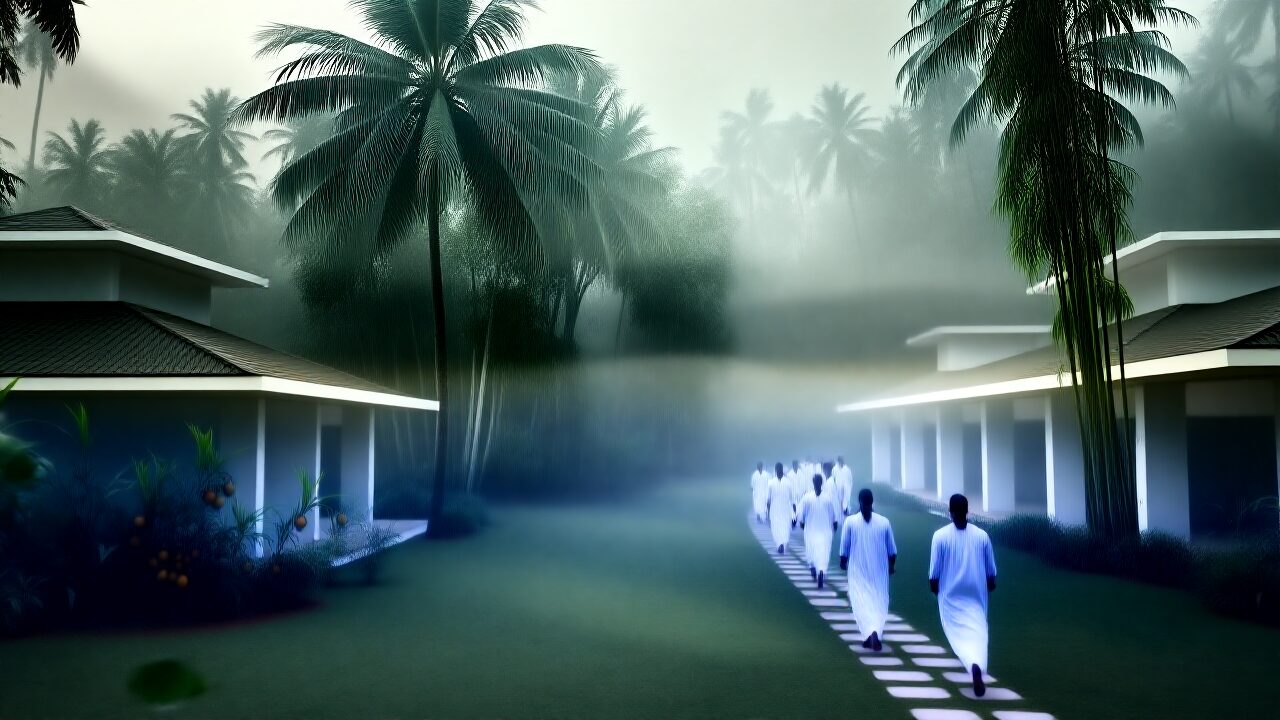
“10 minutes a day isn’t enough anymore.” “I want a deep meditation experience at a life turning point.” “A 10-day Vipassana retreat sounds intense—can I actually do it?“
Once you’ve meditated for a while, you eventually hear the word retreat.
Several days to two weeks of silence, isolation from the outside world, and uninterrupted practice—
For many practitioners, it becomes the turning point of a lifetime.
But the first time is daunting. “What do I pack?” “Which retreat do I choose?” “Can I really last?“
This article maps out the types, choices, preparation, and mindset for retreats—designed for first-timers.
💎 The One-Line Takeaway A retreat is not “training”—it is concentrated investment. One week of silence often exceeds an entire year of daily practice.
30-Second Summary
- A retreat = intensive meditation residency (days to weeks)
- Noble silence is the foundational rule
- Vipassana 10-day retreats (free) run globally
- Many traditions: MBSR, Zen, yoga, Tibetan
- Hotspots: Japan, Thailand, India, Nepal, California
- First-timers: start with weekend retreats
- Strongly recommended at life turning points
1. What a Retreat Is
1-1. The Word
“Retreat” = withdrawal, sanctuary. Stepping out of daily life—physically and mentally—to focus solely on meditation.
In Buddhism, this has an ancient tradition called anza (Japanese: 安居).
1-2. Why Do It
The limits of daily meditation:
- 15-30 minutes only touches the surface
- Work, family, social media all fragment attention
- Deep insight requires continuous time
Retreats provide zero external stimulation, immersion in practice only.
1-3. What Happens
- Deep silence is felt for the first time
- Your thought patterns become visible
- Repressed emotions surface
- Consciousness shifts occur
- After return, you see the world with new eyes
2. Types of Retreats
2-1. By Duration
| Type | Length | For |
|---|---|---|
| Weekend | 2-3 days | Beginners |
| 1 week | 5-7 days | Intermediate |
| 10-day Vipassana | 10 days | Serious |
| 3-month intensive | 3 months | Advanced / ordained |
2-2. By Tradition
| Tradition | Character | Organization |
|---|---|---|
| Vipassana (S.N. Goenka) | 10 days, free, worldwide | Dhamma.org |
| Theravada Buddhism | Thailand, Myanmar, Sri Lanka | Local monasteries |
| Zen | Zazen, work practice | Japanese Zen temples |
| Mahasi-style | Burmese, labeling | Spirit Rock and others |
| MBSR | Kabat-Zinn style, secular | Insight Meditation Society |
| Plum Village | Thich Nhat Hanh style | France HQ |
| Yoga retreats | Yoga + meditation | India ashrams |
3. Famous Retreats
3-1. Goenka Vipassana (10 days, free)
The most famous, the most demanding.
- Complete silence, no eye contact
- 4 AM wake-up, 9 PM bed
- 10+ hours of meditation/day
- Phone, books, journals all surrendered
- Free (donation-only)
- Centers in Kyoto and Chiba (Japan)
Official: dhamma.org
3-2. Plum Village (Thich Nhat Hanh)
Southern France HQ + worldwide.
- Relatively gentle pace
- Walking meditation emphasized
- Engaged mindfulness focus
- Eating, talking, working all become practice
3-3. Spirit Rock (California)
Jack Kornfield’s base.
- English-language, Western
- Blend of MBSR and Buddhist tradition
- Costs thousands of dollars
3-4. Japanese Zen Temple Practice
- Eiheiji (Soto Zen HQ): zazen sessions
- Kenchoji (Kamakura, Rinzai Zen): day-trips +
- Shobo-ji (Hyogo): 1-week programs
- International Zen Dojo (various): open to foreigners
3-5. India / Nepal Ashrams
- Rishikesh (yoga capital)
- Dharamsala (Tibetan Buddhism)
- Bodhgaya (Buddha’s enlightenment site)
- Kopan (Kathmandu, Tibetan-style)
4. What You’ll Experience
4-1. Days 1-3: Adaptation
- Silence is uncomfortable; sitting hurts
- Phone withdrawal
- “I want to go home” thoughts
4-2. Days 4-6: Surfacing
- Past traumas and emotions surface
- Tears, laughter, gratitude
- Thought patterns become visible
4-3. Days 7-10: Penetration
- Silence becomes comforting
- Moments of deep insight
- Distorted time perception
- Sense of oneness, compassion expand
4-4. After Returning Home
- Visible world has changed
- Heightened sensitivity to food, conversation, beauty
- A rainbow-filter period for weeks
5. How First-Timers Should Choose
5-1. Recommended Path
Weekend → 1 week → 10-day Vipassana
Going straight to 10 days is too steep for some.
5-2. Decision Criteria
| Criterion | Question |
|---|---|
| Purpose | Stillness or insight? |
| Tradition | Buddhist OK? Secular? |
| Language | English? Japanese? |
| Access | Travel time and cost |
| Cost | Free to ¥100,000+ |
| Diet | Vegetarian OK? |
| Silence level | Total or partial? |
5-3. Beginner Picks
- MBSR-style weekend retreat (mindfulness foundations)
- Eiheiji practitioner programs (1-2 nights)
- Domestic yoga retreats (lower bar)
- Then Goenka 10-day
6. What to Pack
6-1. Essential
- Comfortable clothes (yoga pants, etc.) ×3-4 sets
- Underwear, socks by day count
- Light jacket (gets cold in meditation)
- Blanket (for lap during meditation)
- Toiletries
- Toothbrush, towel
- Insurance card copy
- Personal medications
6-2. Useful
- Meditation cushion (zafu) ※sometimes provided
- Earplugs (for shared rooms)
- Eye mask
- Hot water bottle (winter)
- Pen and notebook ※banned at Vipassana
- Thermos
- Yoga mat (yoga retreats)
6-3. Commonly Forbidden
- Phones, electronics
- Books, magazines
- Music players
- Alcohol, tobacco
- Outside food
7. The Rules of Silence (Noble Silence)
7-1. What’s Included
- No talking
- No eye contact
- No gestures or notes
- No reading or writing
- No music
- No electronics
7-2. Why So Strict
Zero external stimulation lets you hear your inner voice.
7-3. Exceptions
- Teacher Q&A (scheduled)
- Medical emergencies
- Minimum dining acknowledgments
8. A Typical Day on Retreat
8-1. Vipassana Schedule
| Time | Activity |
|---|---|
| 04:00 | Wake |
| 04:30-06:30 | Meditation |
| 06:30-08:00 | Breakfast & break |
| 08:00-11:00 | Meditation |
| 11:00-13:00 | Lunch & break |
| 13:00-17:00 | Meditation |
| 17:00-18:00 | Light snack & break |
| 18:00-19:00 | Meditation |
| 19:00-20:30 | Discourse (teaching) |
| 20:30-21:00 | Meditation |
| 21:00 | Sleep |
~10 hours of meditation per day.
8-2. Plum Village
- Gentler, with working meditation (cooking, cleaning)
- Singing meditation too
- Family-friendly sessions available
9. Challenges and How to Handle Them
9-1. Physical Pain
- Knees and back ache from sitting
- Chair / kneeling bench sometimes allowed
- Make pain itself the object of observation
9-2. Strong Emotions
- Anger, grief, fear may erupt
- Don’t suppress—observe
- Talk to teacher if needed
9-3. Boredom / Urge to Leave
- Peaks days 3-4
- Make it an observation object
- Many people get through it
9-4. Insomnia
- Long-suppressed fatigue surfaces
- Lying down is itself rest
9-5. Diet Dissatisfaction
- Mostly vegetarian
- Designed for nutrition and digestibility, not pleasure
10. What to Do After Returning
10-1. Don’t Plunge Back
- 1-2 days of quiet reentry
- Avoid social media, news
- Avoid overeating and overstimulation
10-2. Journal It
- Write down the experience
- Insights for your future self
10-3. Strengthen Daily Practice
- Increase to 30-60 minutes/day
- Keep using retreat techniques
10-4. Plan to Return
- Ideally once a year
- Put the next retreat date on the calendar
11. Preparing for a Retreat
11-1. 1-3 Months Before
- Build daily 30+ minutes of meditation
- Strengthen concentration
11-2. 1 Month Before
- Coordinate work and family
- Pack list
- Transport
11-3. 1 Week Before
- Eat lighter (settle digestion)
- Reduce alcohol
- Sleep more
11-4. The Day Before
- Final document check
- Handle urgent phone matters
12. Cost Reality
| Type | Approximate |
|---|---|
| Goenka | Free (donation) |
| Eiheiji session | ¥5,000-15,000 |
| Japan weekend retreat | ¥30,000-80,000 |
| Spirit Rock 1 week | $1,000-$3,000 |
| India ashram | $200-$1,000 |
| Plum Village | €250-500 |
Plus travel and time off opportunity cost.
13. FAQ
Q1. Can I really do 10 days of silence? A. Many participants say “the start is hard, but by the end you don’t want to leave.“
Q2. What if old trauma surfaces? A. Experienced teachers support you. But serious trauma history should be discussed with a clinician first.
Q3. How do I explain to work/family? A. Frame as “focused learning retreat.” Once a year is typically accepted.
Q4. Are family retreats available? A. Yes—Plum Village family retreats for example. Goenka doesn’t allow children.
Q5. I’m not physically strong. A. Pick centers that allow chairs. MBSR-style is gentler.
14. Conclusion — Beyond the Daily
Meditation retreats make landmark moments in a life.
A retreat at 25 gives you a compass for the rest of life.
A retreat at 45 changes the quality of your remaining decades.
A retreat at 65 begins the great review.
The moment you think “I want to go” is the youngest you’ll ever be.
Open your calendar. Block a weekend three months out.
Then search for a nearby retreat.
It may be the most valuable investment you make in your life.
Cosmic Zen Journey #3 | 174Hz→432Hz — 10 Min Sleep Meditation, Moonlit Waters – YouTube
References
- Goenka, S. N. (2000). The Discourse Summaries. VRI.
- Kabat-Zinn, J. (1994). Wherever You Go, There You Are. Hyperion.
- Hanh, T. N. (1998). The Heart of the Buddha’s Teaching. Broadway Books.
- Kornfield, J. (2008). The Wise Heart. Bantam.
- Official retreat info (Dhamma.org, Plumvillage.org, etc.)
MuZenCosmos — Where stillness meets the cosmos.